









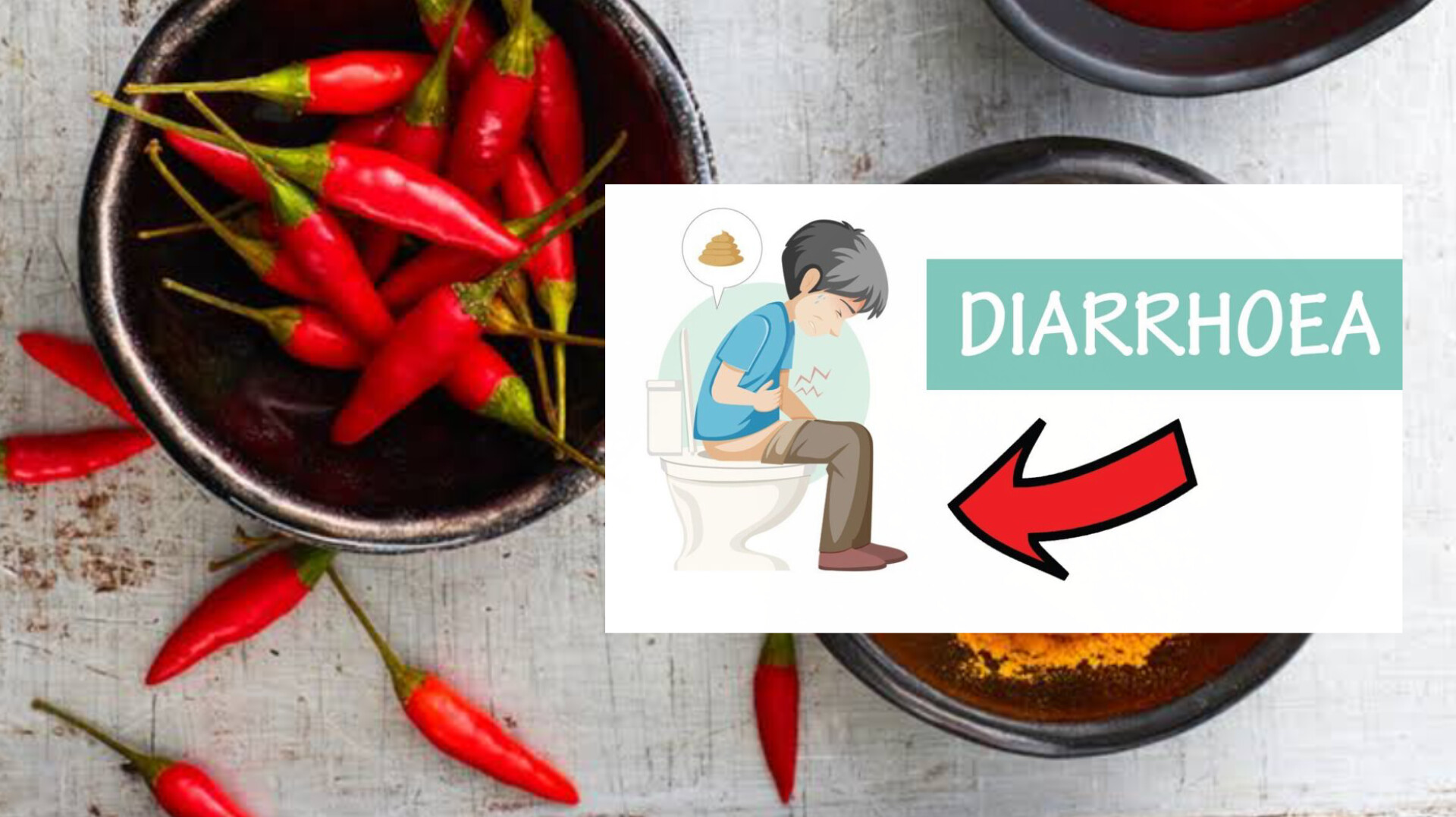
why spicy foods cause diarrhea?
My cousin asked: ‘Doc, if diarrhea is caused by a virus or bacteria, how come eating really spicy food gives us loose stools?’
I am surprised most people don’t know the actual mechanism behind this.
• The main culprit is Capsaicin, the chemical that gives chilies their heat.
But here is the secret: it doesn’t actually burn your tissue. Instead, it binds to the TRPV1 receptors in your digestive tract, which are your body’s dedicated pain and heat detectors.
• Once capsaicin hits those receptors, your brain gets tricked. It thinks “We just swallowed a dangerous toxin!” or “The gut is literally on fire!”
To protect itself, your GI tract hits the emergency eject button.
• To flush this “toxin” out as fast as humanly possible, your intestines ramp up their movements (hypermotility).
It pushes everything through at lightning speed, meaning your colon doesn’t have the time to absorb water from the waste like it usually does.
• Fast transit time + zero water absorption = liquid stools
This is why people with sensitive stomachs, IBS, hemorrhoids, or existing gut inflammation usually react worse to very spicy foods. The body isn’t “damaged” by the spice itself, but the fast bowel movement and irritation can trigger cramps, loose stools, burning, and discomfort. Everyone’s tolerance is different, which is why some people can eat extra spicy food daily while others can’t handle a small amount.
But does the body adapt to spicy food when it becomes regular?
Yes. We have an entire race that has normalised spicy foods. Yes, the body can adapt over time. Regular exposure to capsaicin can make those receptors less sensitive, which is why people who grow up eating spicy food usually tolerate it much better. The spice level that destroys one person’s stomach might feel completely normal to someone else.
Summary;
What research shows is that capsaicin in spicy food activates TRPV1 receptors in the gut. These are the same receptors involved in sensing heat and irritation.
Once activated, they increase gut motility, so the intestines start pushing contents forward faster. They also stimulate secretion of water and electrolytes into the bowel.
Because everything moves quicker, the colon gets less time to absorb water back, so stools become loose.
Similar “fast gut” effect can be seen with coffee, stress, anxiety, and some artificial sweeteners. All of these can increase gut movement or reduce water absorption, leading to loose stools in a similar way.
Follow @DocPriyamMD for more daily medical breakdowns and health literacy