











Toothpick side effects: What are the disadvantages of toothpicks?
I can technically think of potential risks regarding nearly every medical specialty, including ophthalmology, ENT and urology.

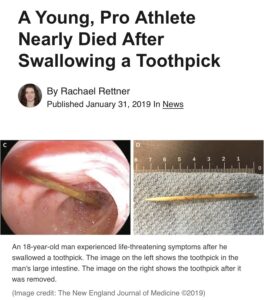
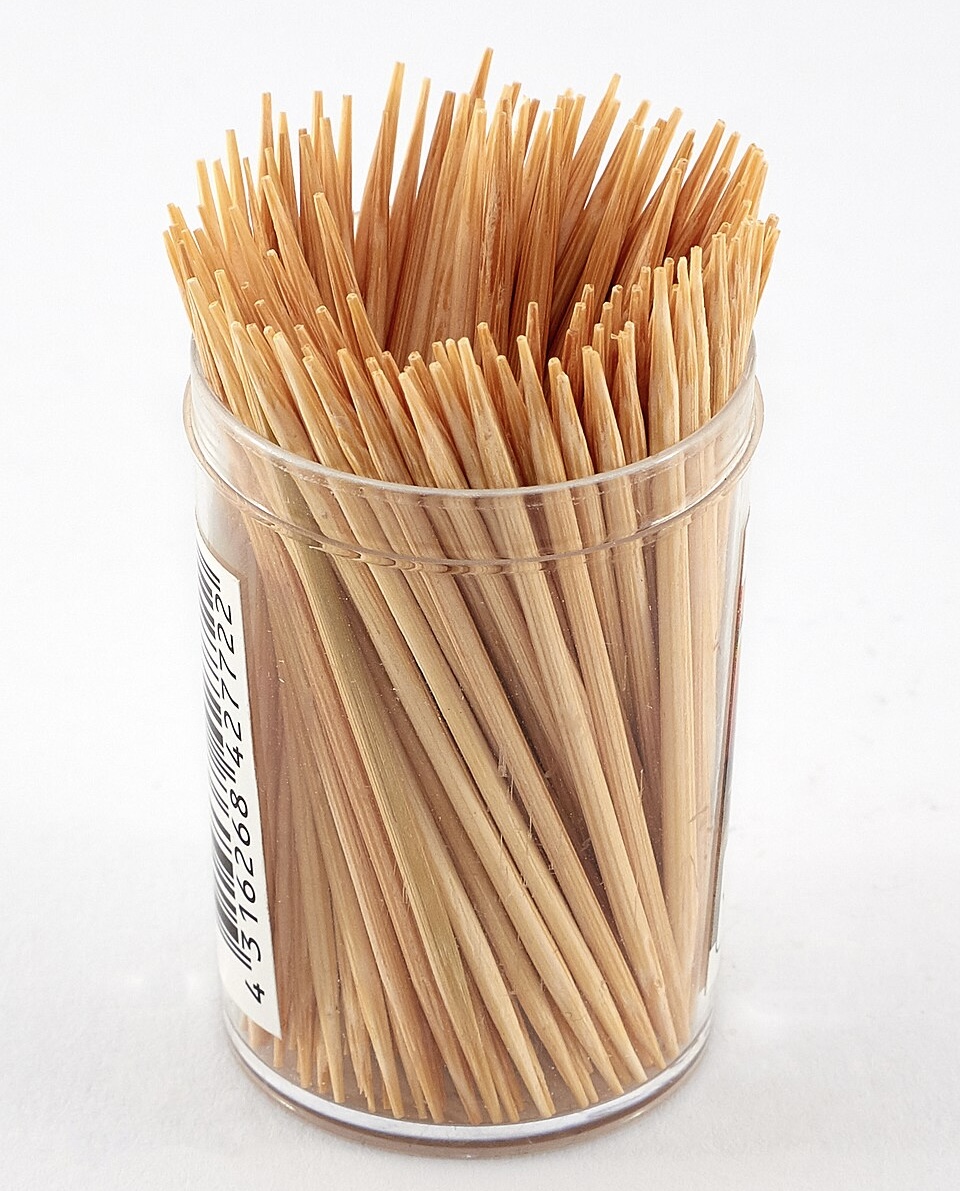
They may look harmless but can be surprisingly dangerous. Accidental ingestion (often unnoticed) lets the sharp ends perforate the GI tract—most commonly the ileum, duodenum, or sigmoid colon. This can cause peritonitis, abscesses, sepsis, or even injury to nearby organs like the liver. Wooden ones are hard to spot on plain X-rays, so CT is often needed, and endoscopic or surgical removal may be required.
Be extra careful with finger foods, club sandwiches, and appetizers.
Why doctors dont find the use of toothpicks amusing
Toothpicks are more dangerous than they look.
1. Accidental toothpick ingestion is uncommon but can be life-threatening because the sharp ends can pierce the gastrointestinal tract.
2. The most frequent sites of perforation are the ileum, duodenum, and sigmoid colon, leading to peritonitis, abscess formation, or sepsis.
3. Many patients don’t remember swallowing the toothpick, making the diagnosis easy to miss.
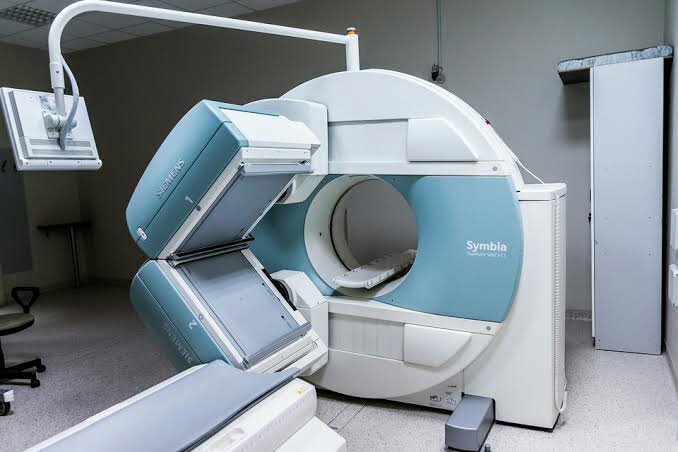
4. Wooden toothpicks are poorly visible on plain X-rays, so CT scan is often required if ingestion is suspected.
5. A migrating toothpick can injure nearby organs, causing liver abscess, pancreatitis, fistulas, or even vascular injury in rare cases.
6. Endoscopic removal is preferred if the toothpick is still within reach. Once perforation occurs, surgical intervention may be necessary.
7. An unexplained acute abdomen after eating finger foods, club sandwiches, or appetizers should always raise suspicion for an ingested toothpick, even if the patient denies swallowing one.
You’ll be surprised how many toothpicks are accidentally swallowed, with potentially catastrophic consequences.